Question
Can you explain the Risk-Reward Analysis strategy?
Risk-Reward Analysis is a strategy used in business and finance to evaluate the potential risks involved in an investment or business decision against the potential rewards. It's a fundamental concept that's used to understand and manage the balance between the risk and reward. In simple terms, it's a process of comparing the expected returns of an investment to the amount of risk undertaken to capture these returns. This analysis is crucial in risk management and investment decisions.
This question was asked on:
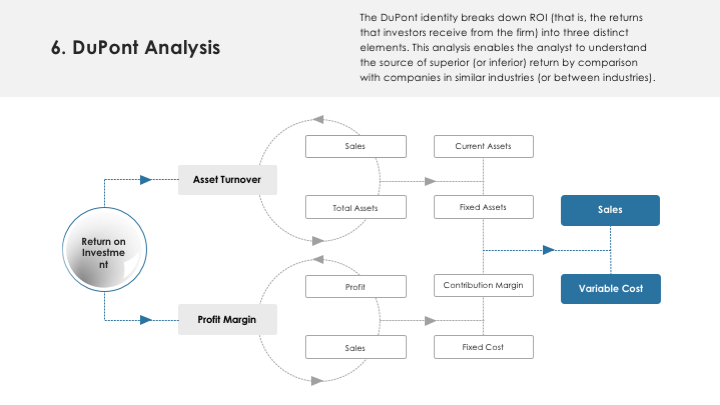
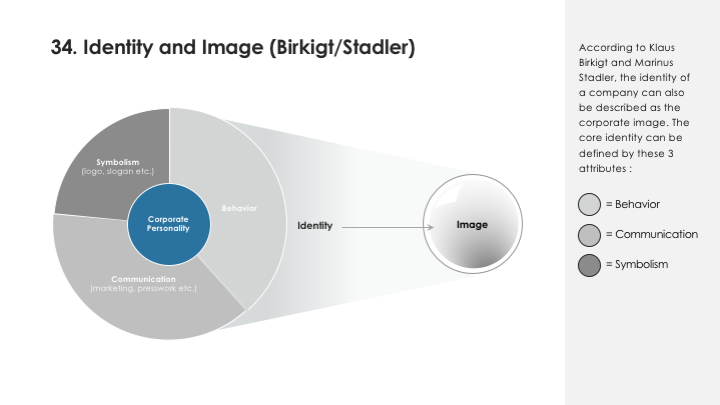
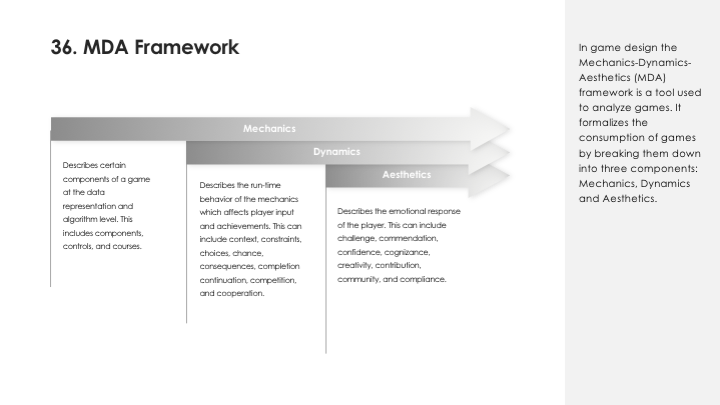
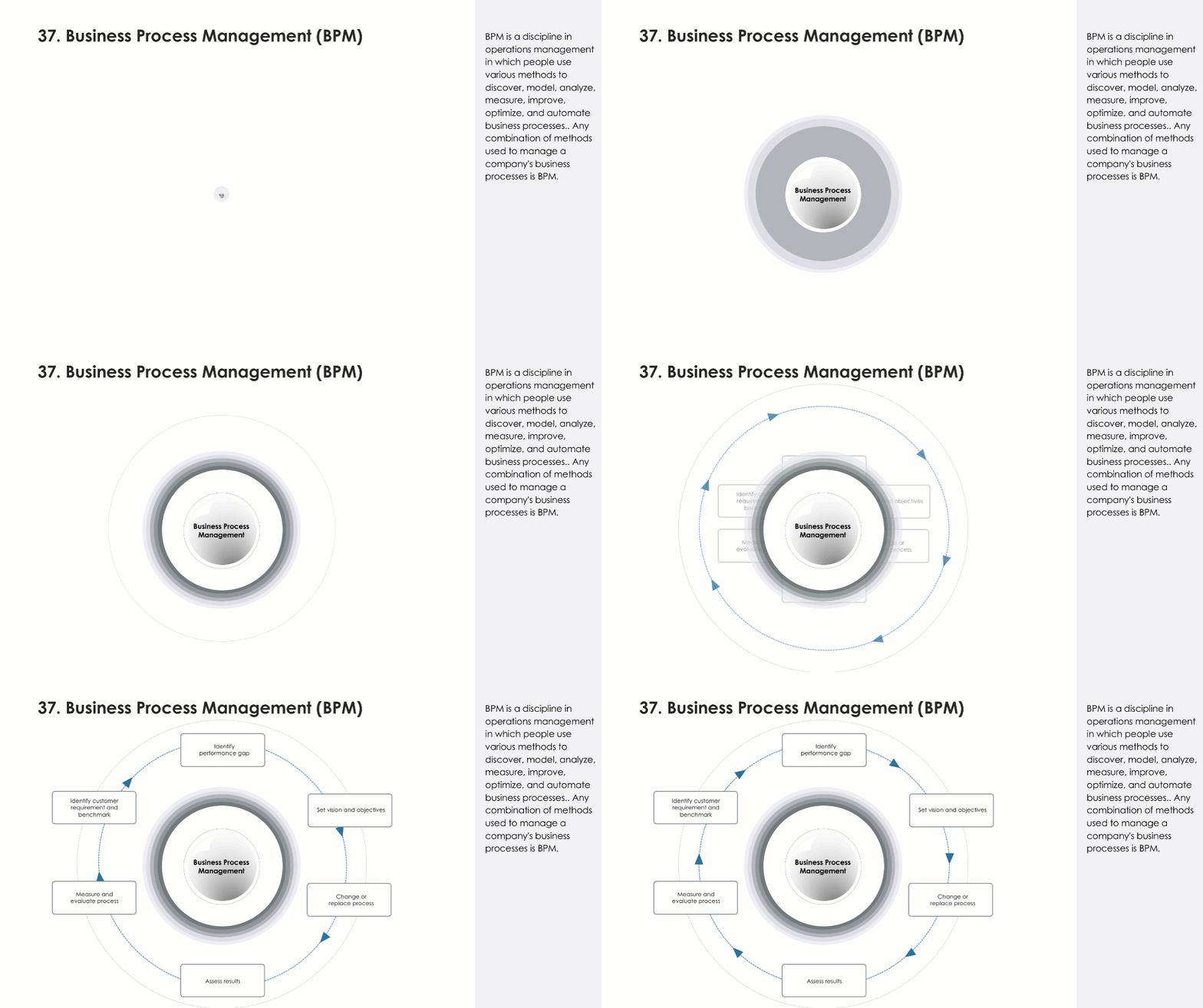
This deck includes the following business strategy frameworks: Offshoring Strategy Framework, Cradle to Cradle (C2C), Disruptive Innovation, Economic Value Added (EVA), Bass Diffusion Model, DuPont Analysis, Stage-Gate Model, CYNEFIN Framework, 8D Process, Innovative Cycle, Organizational Configuration, Focus-Energy Matrix, Schein's Three Levels of Culture, Architecture Development Method (ADM), Trompenaars' Dimensions, Risk-Reward Analysis, SMART Targets, Investment Stages, , Compensation Model, CAGE Distance Framework, Belbin's Team Roles, Competing Values Framework (CVF), ADL Matrix, Generic Strategies, Bottom of the Pyramid (BOP), Core Quality Quadrant, Seven Levels of Sustainability, BOP Framework, Two-Factor Theory, Balancing Transparency, DMIS Model, Total Perceived Service Quality, Identity and Image (Birkigt/Stadler), Kotter's 8 Step Change, MDA Framework, Business Process Management (BPM), Cialdini's Seven Principles, Model of Entrepreneurship, Gain Sharing, Elaboration Like...

Preview (50 Slides)











Join for free.
Get new presentations each week.
Receive new free presentations every Monday to your inbox.
Full content, complete versions — No credit card required.
Trusted by top partners