Question
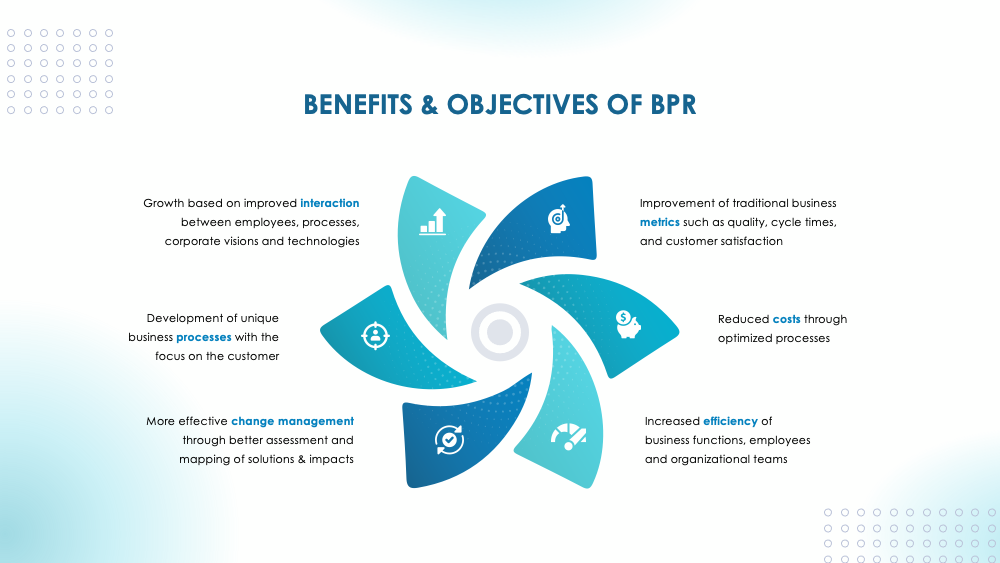
The Business Process Re-engineering (BPR) framework assists organizations in managing transitional times by providing a systematic approach to rethinking and redesigning business processes. This helps in streamlining workflows and cutting costs, which are vital during transitional periods. The BPR framework also emphasizes the importance of change management, which is crucial in guiding organizations through the stages of transition, from initial shock and denial, through anger and fear, to acceptance and commitment to the change.
This question was asked on:
To solidify an organization's transformation with the BPR framework, the need to manage expectations into a long-lasting transformation is key. That's why leaders should pay attention to change management to assist their organizations through transitional times. The change management curve represents the stages of this transition, with the initial shock and denial, to anger and fear as the old ways are disrupted, and eventually a stage of acceptance that becomes a long-lasting commitment to the change.





Receive new free presentations every Monday to your inbox.
Full content, complete versions — No credit card required.