Question
Generic strategies are basic approaches to obtaining a competitive advantage in the business market. They were first proposed by Michael Porter in 1980 and include cost leadership, differentiation, and focus. Cost leadership aims at becoming the lowest cost producer in the industry, differentiation involves making your products or services unique, and focus strategy targets a specific, narrow part of the market. These strategies can significantly impact business growth by improving profitability, increasing market share, and enhancing customer loyalty.
This question was asked on:
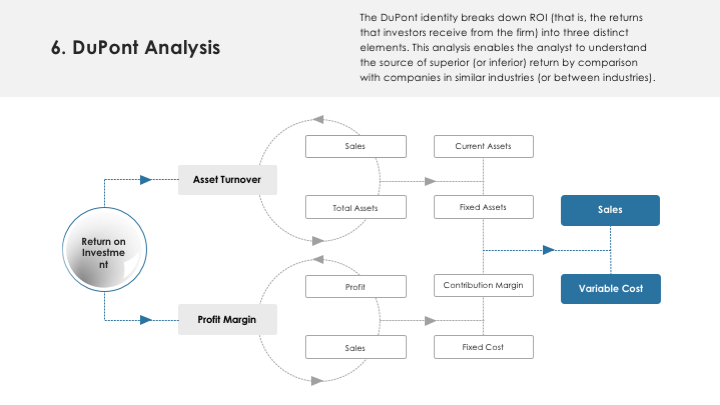
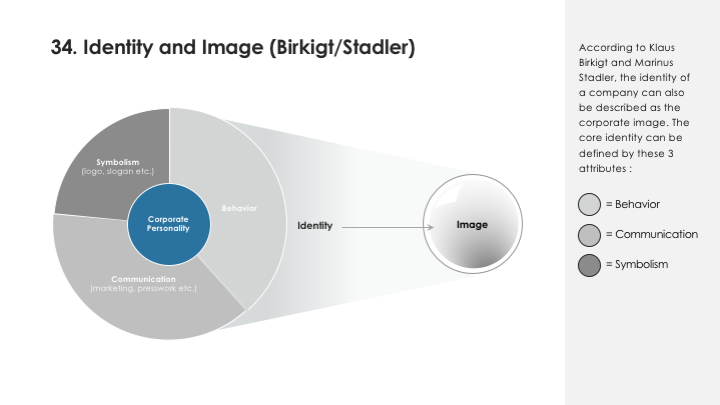
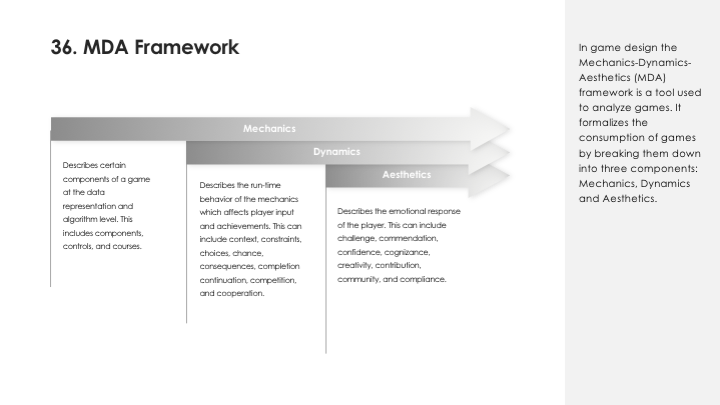
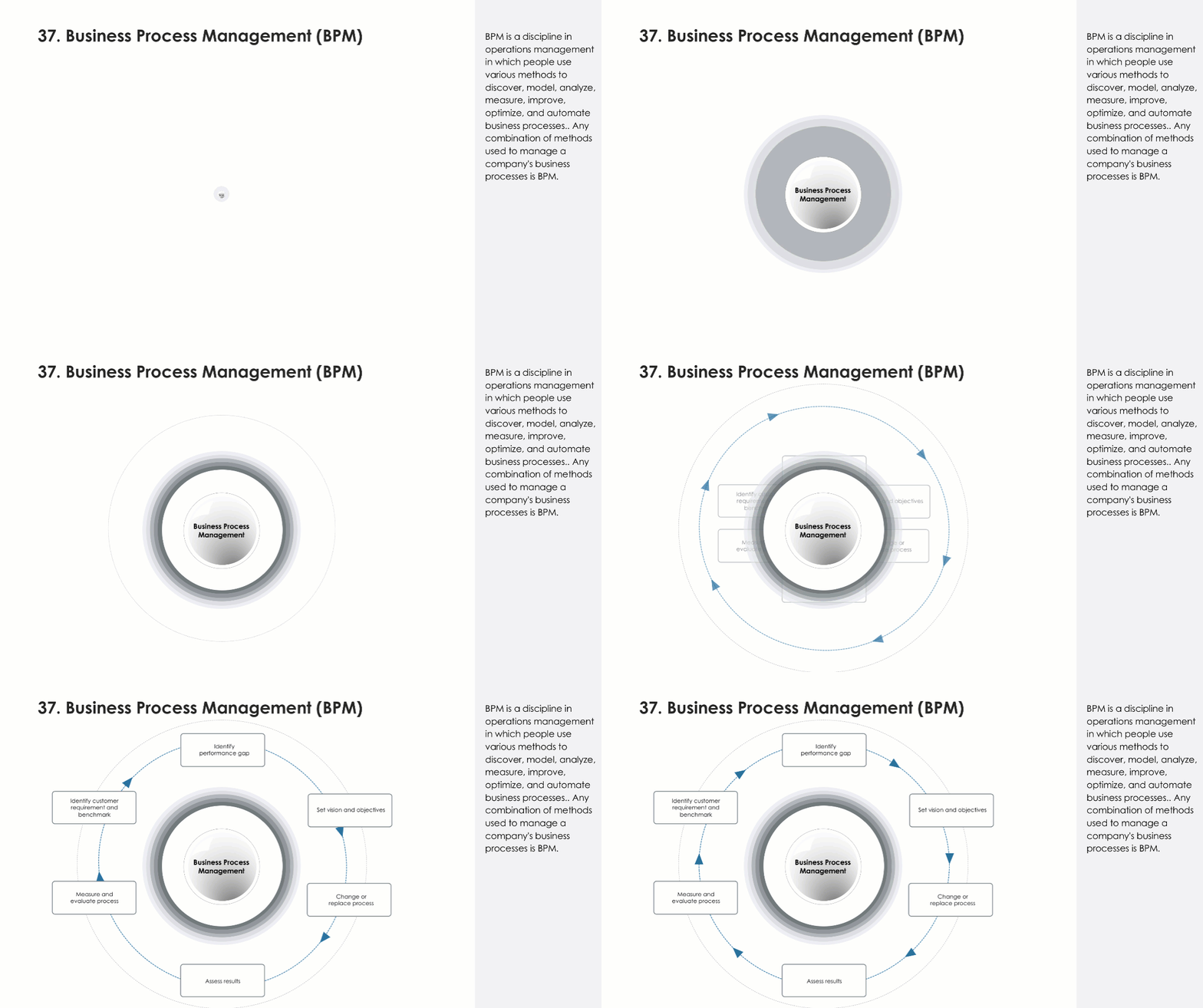
This deck includes the following business strategy frameworks: Offshoring Strategy Framework, Cradle to Cradle (C2C), Disruptive Innovation, Economic Value Added (EVA), Bass Diffusion Model, DuPont Analysis, Stage-Gate Model, CYNEFIN Framework, 8D Process, Innovative Cycle, Organizational Configuration, Focus-Energy Matrix, Schein's Three Levels of Culture, Architecture Development Method (ADM), Trompenaars' Dimensions, Risk-Reward Analysis, SMART Targets, Investment Stages, , Compensation Model, CAGE Distance Framework, Belbin's Team Roles, Competing Values Framework (CVF), ADL Matrix, Generic Strategies, Bottom of the Pyramid (BOP), Core Quality Quadrant, Seven Levels of Sustainability, BOP Framework, Two-Factor Theory, Balancing Transparency, DMIS Model, Total Perceived Service Quality, Identity and Image (Birkigt/Stadler), Kotter's 8 Step Change, MDA Framework, Business Process Management (BPM), Cialdini's Seven Principles, Model of Entrepreneurship, Gain Sharing, Elaboration Like...










Receive new free presentations every Monday to your inbox.
Full content, complete versions — No credit card required.