Question
What are the essential stages in the scope management process and how do they contribute to preventing scope creep?
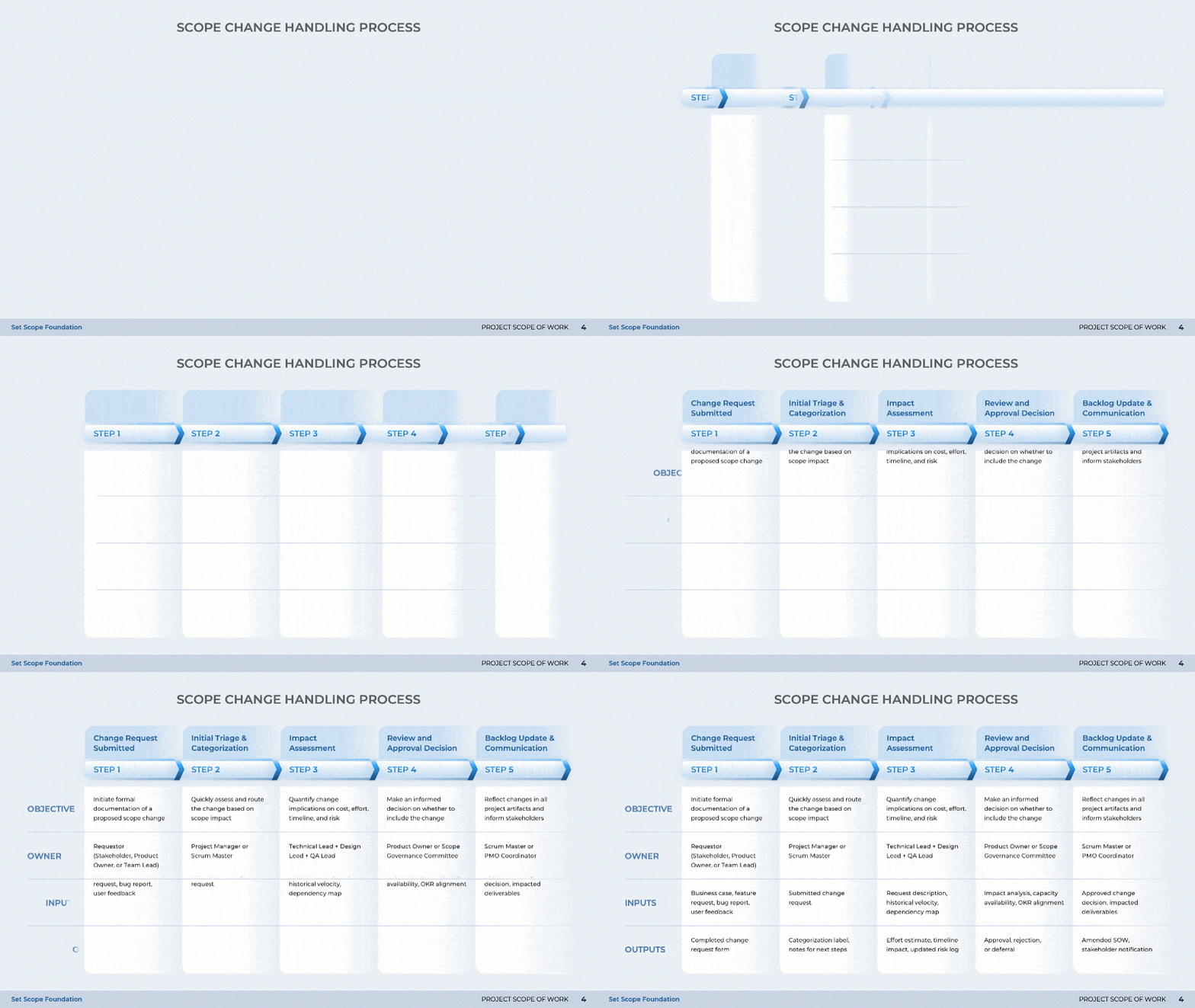
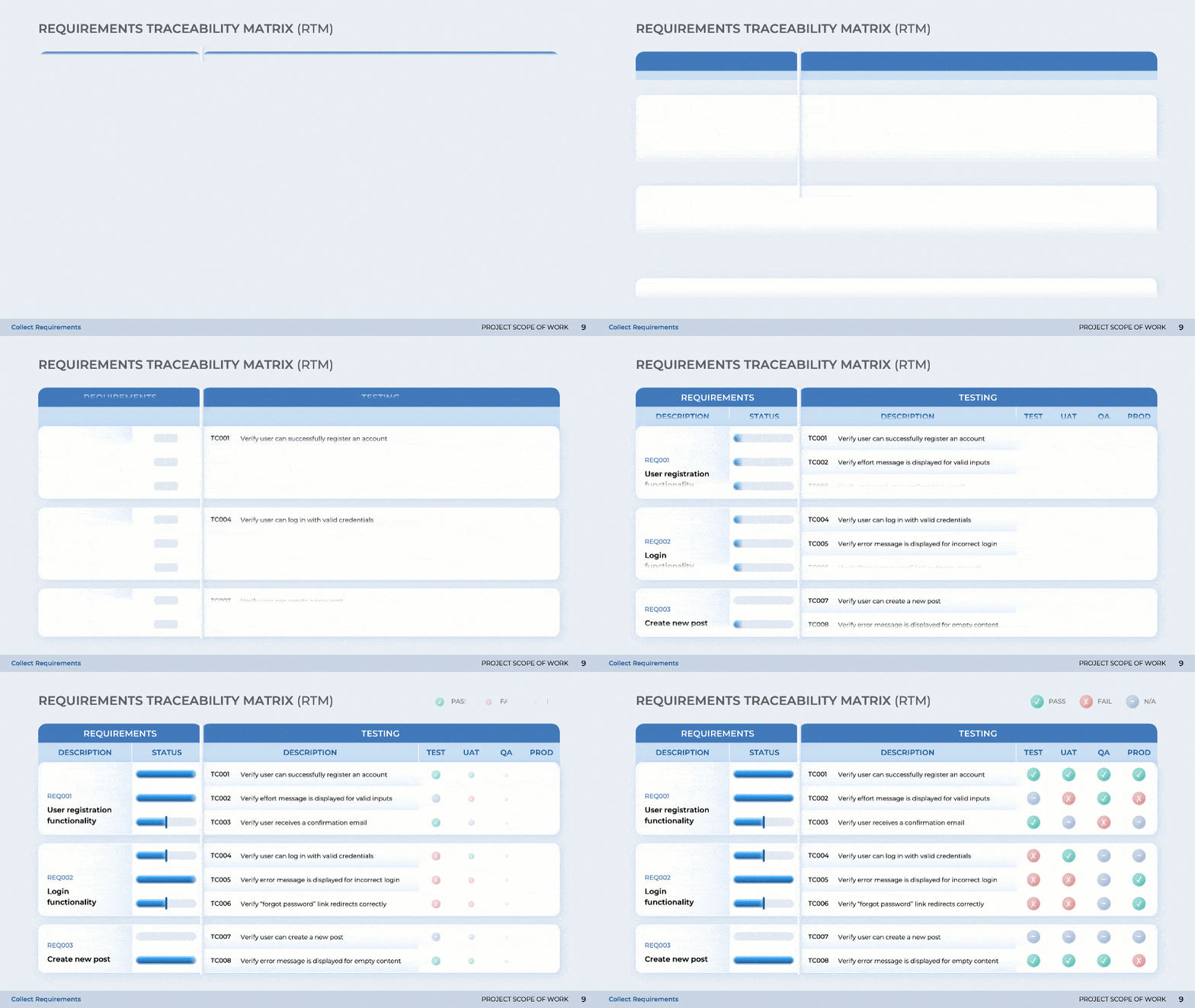
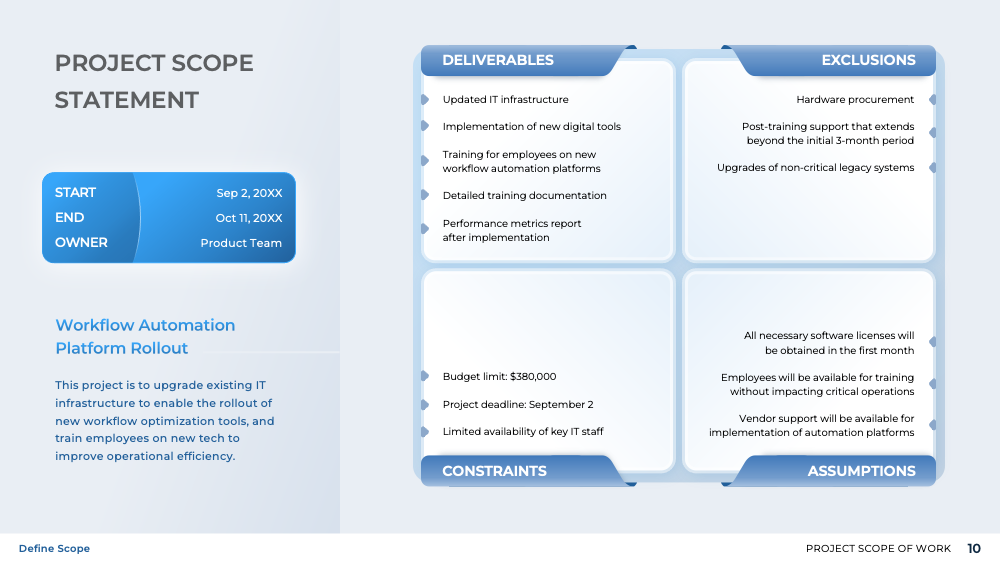
The essential stages in the scope management process include scope foundation, requirements collection, scope definition, work breakdown structure, and scope control. Each stage serves a specific purpose in preventing scope creep.
1. Scope foundation sets the ground rules and outlines the project, which helps in aligning all stakeholders to the same vision.
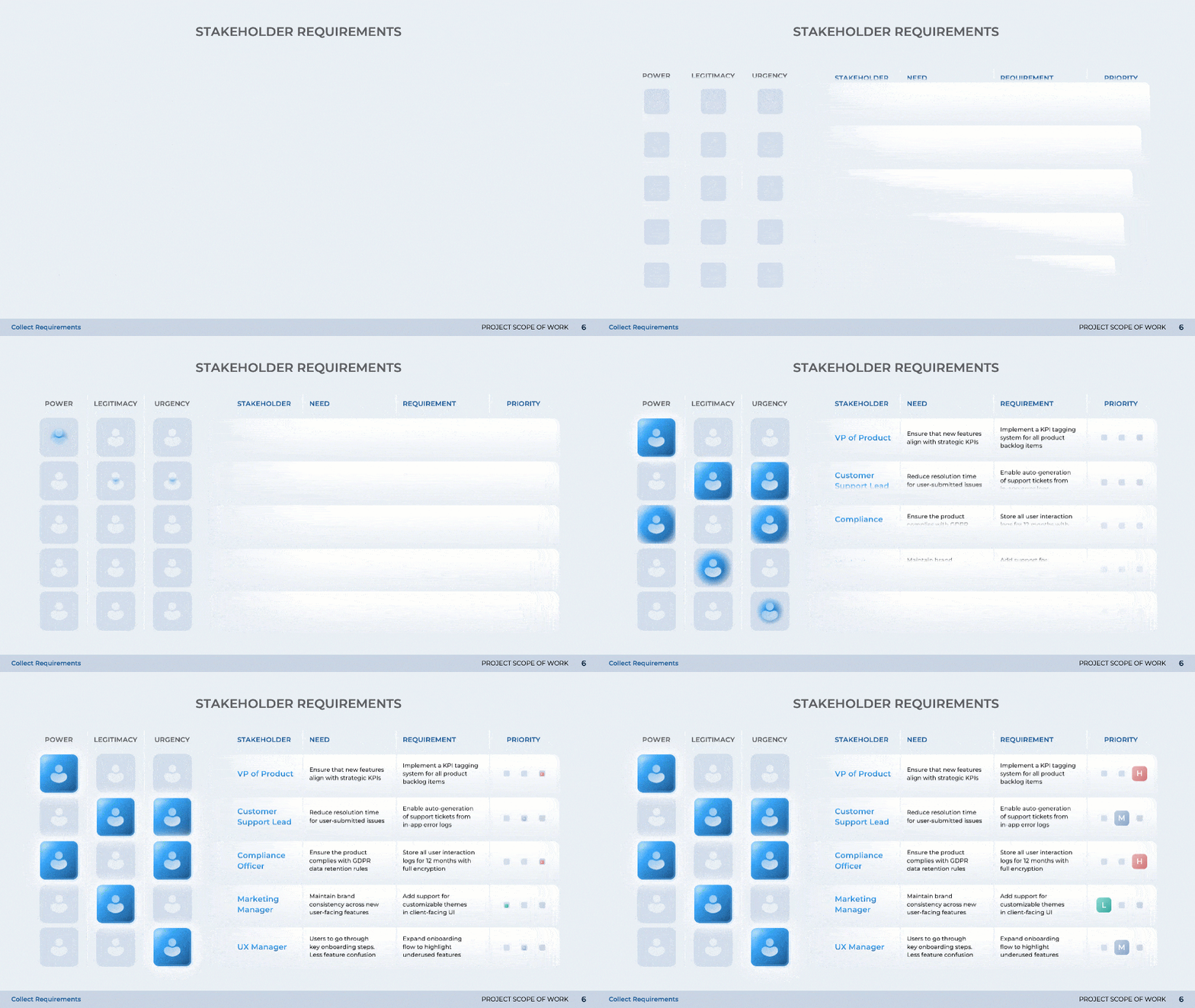
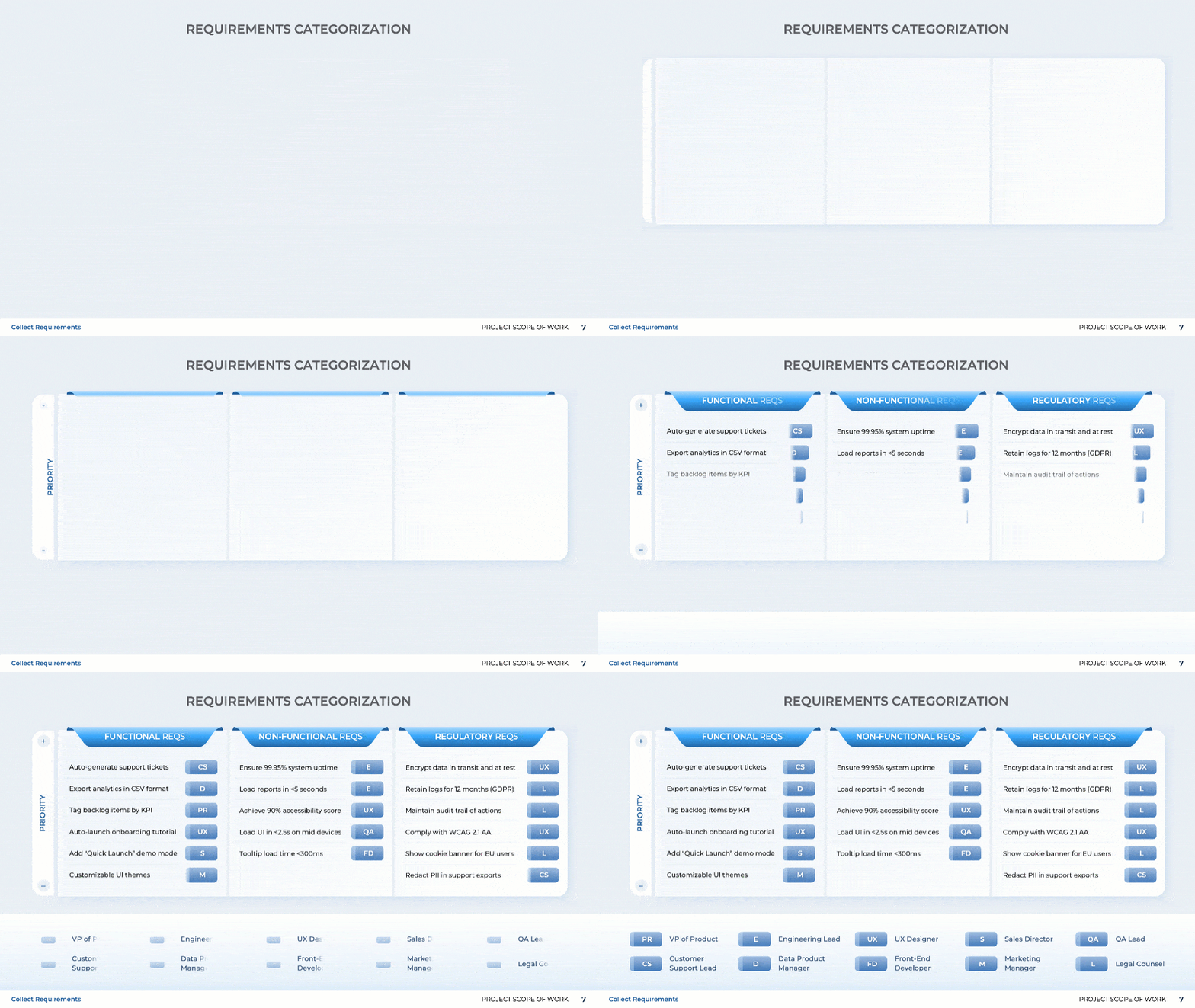
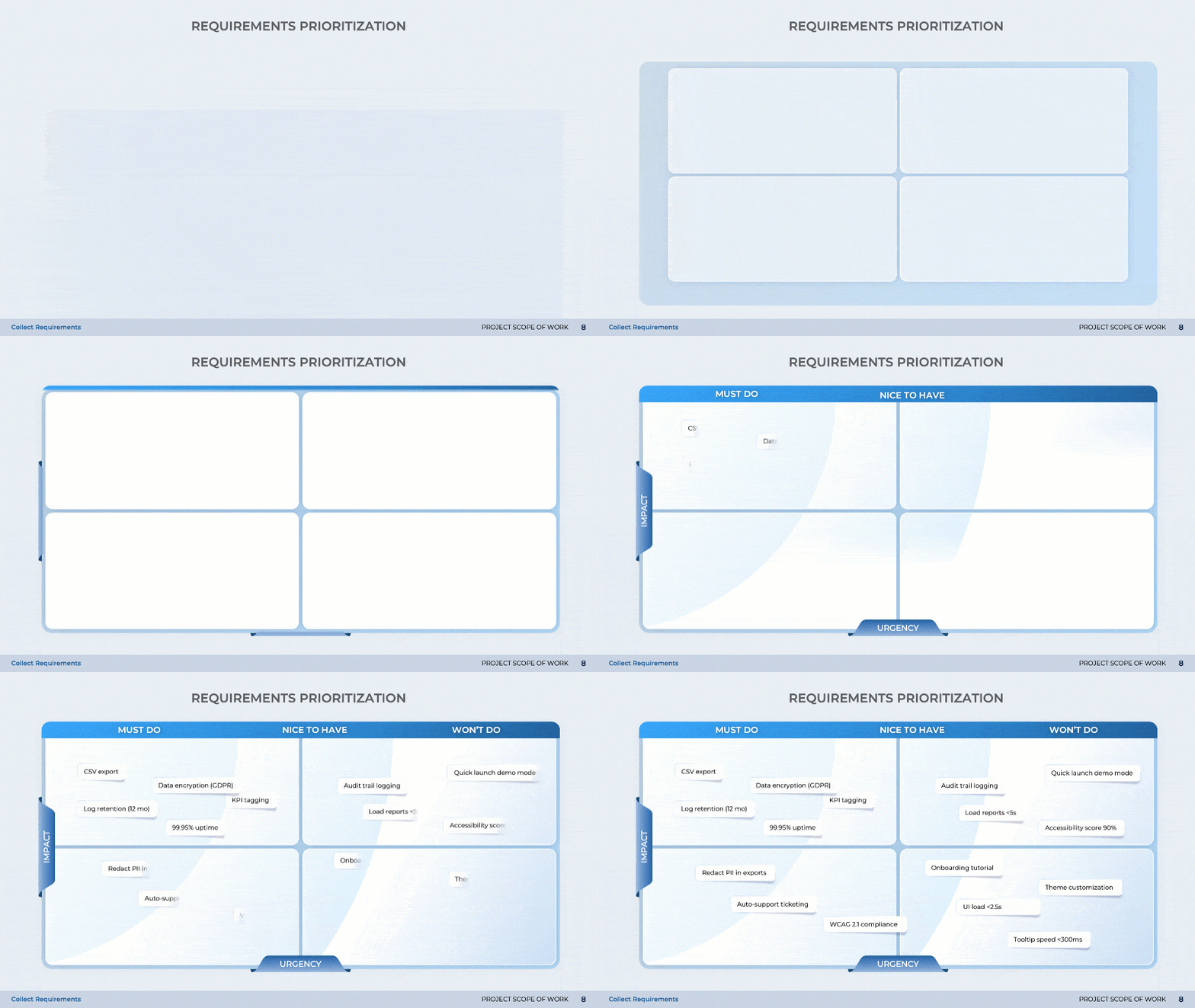
2. Requirements collection is crucial for understanding what needs to be achieved. It helps in setting realistic expectations and avoiding unnecessary additions later.
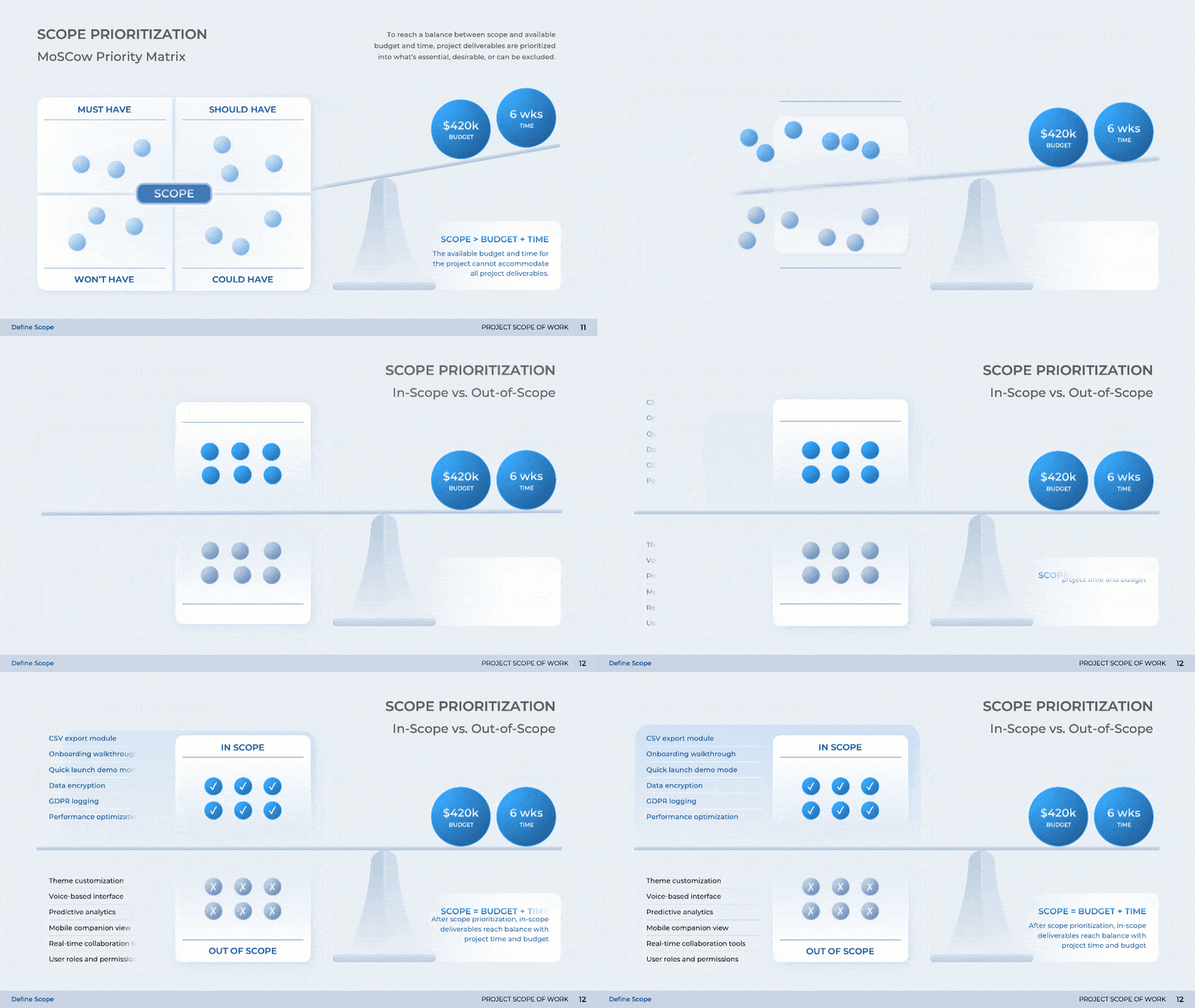
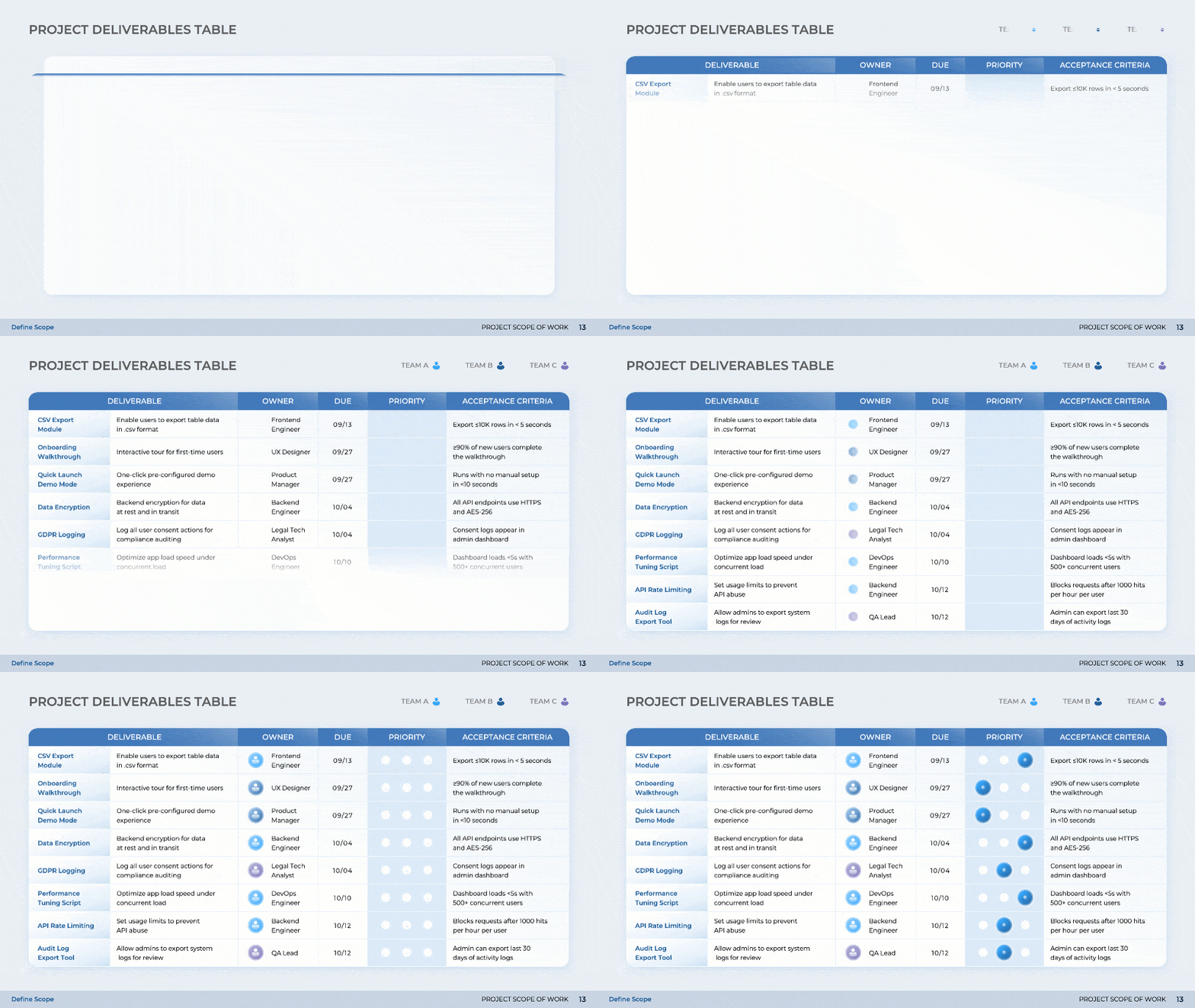
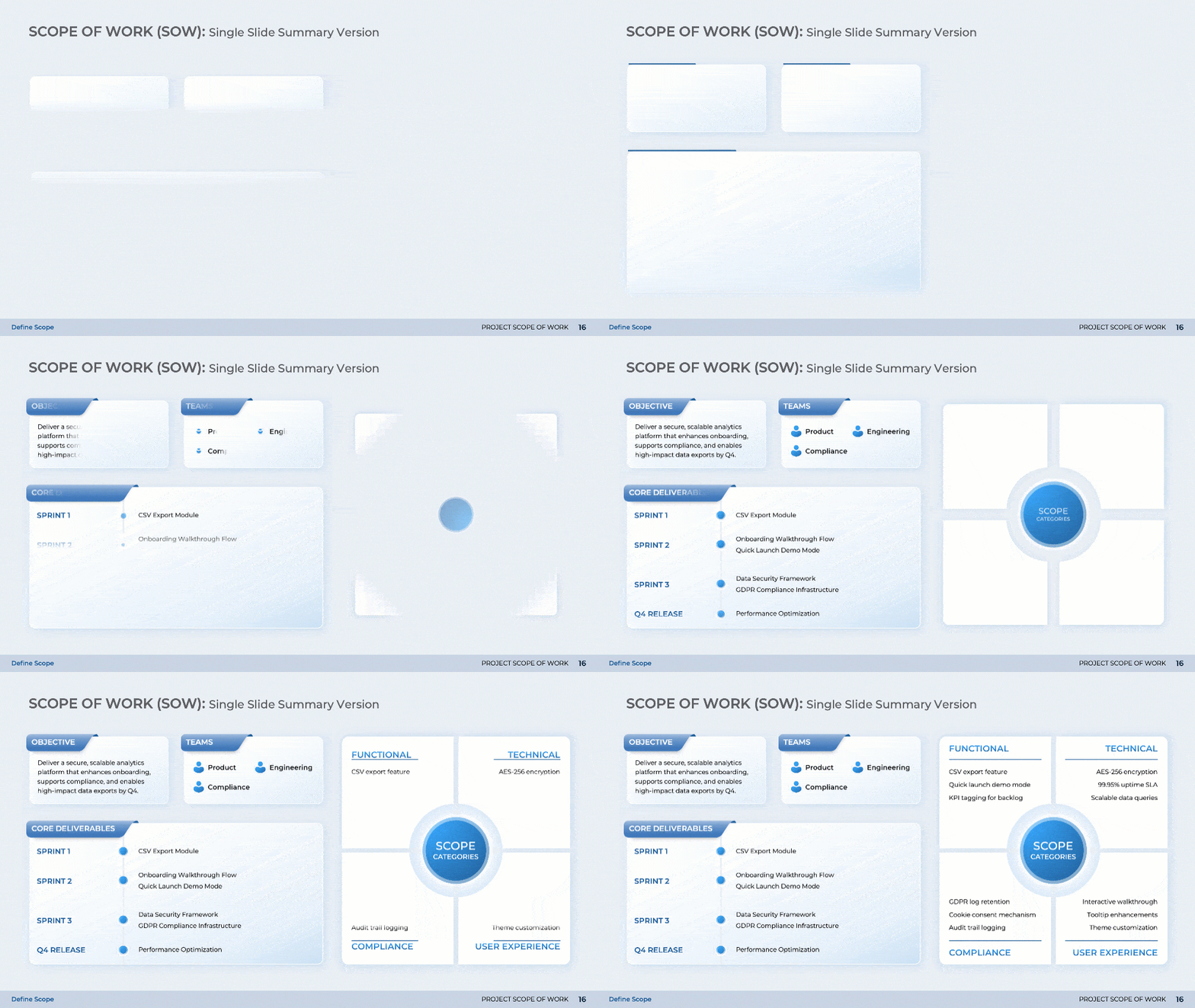
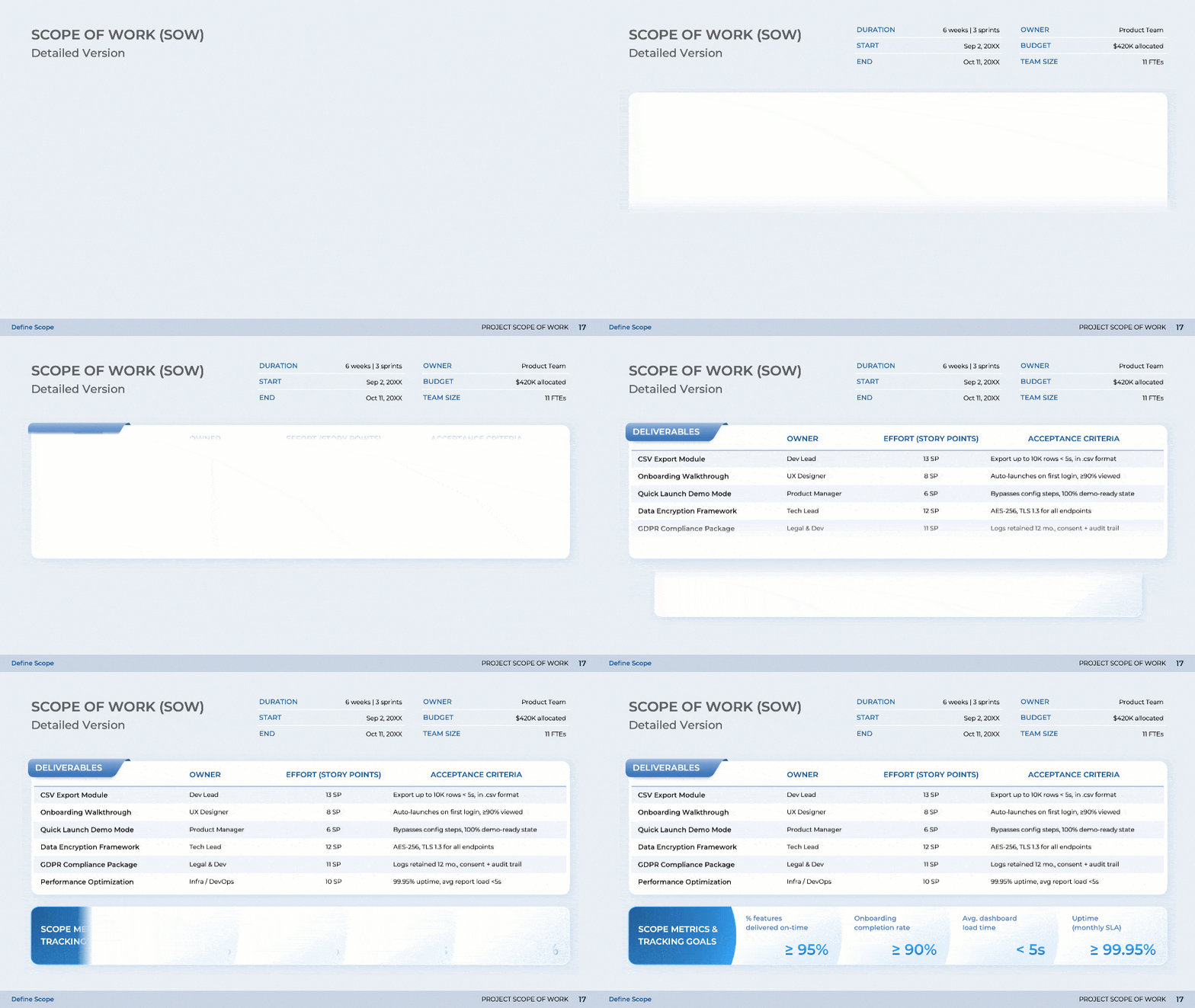
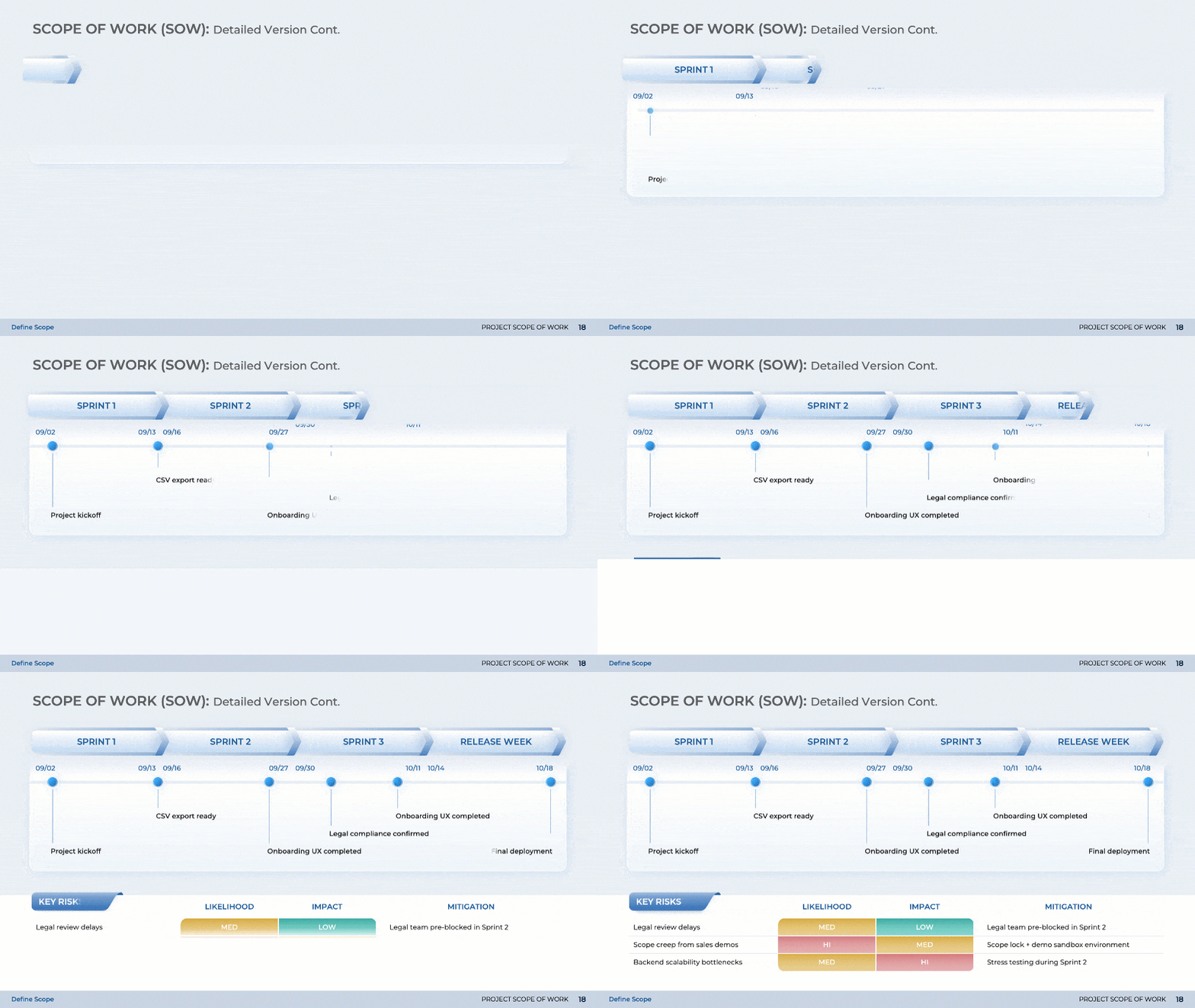
3. Scope definition provides a detailed description of the project, its deliverables, and what constitutes success. This helps in keeping the project focused and on track.
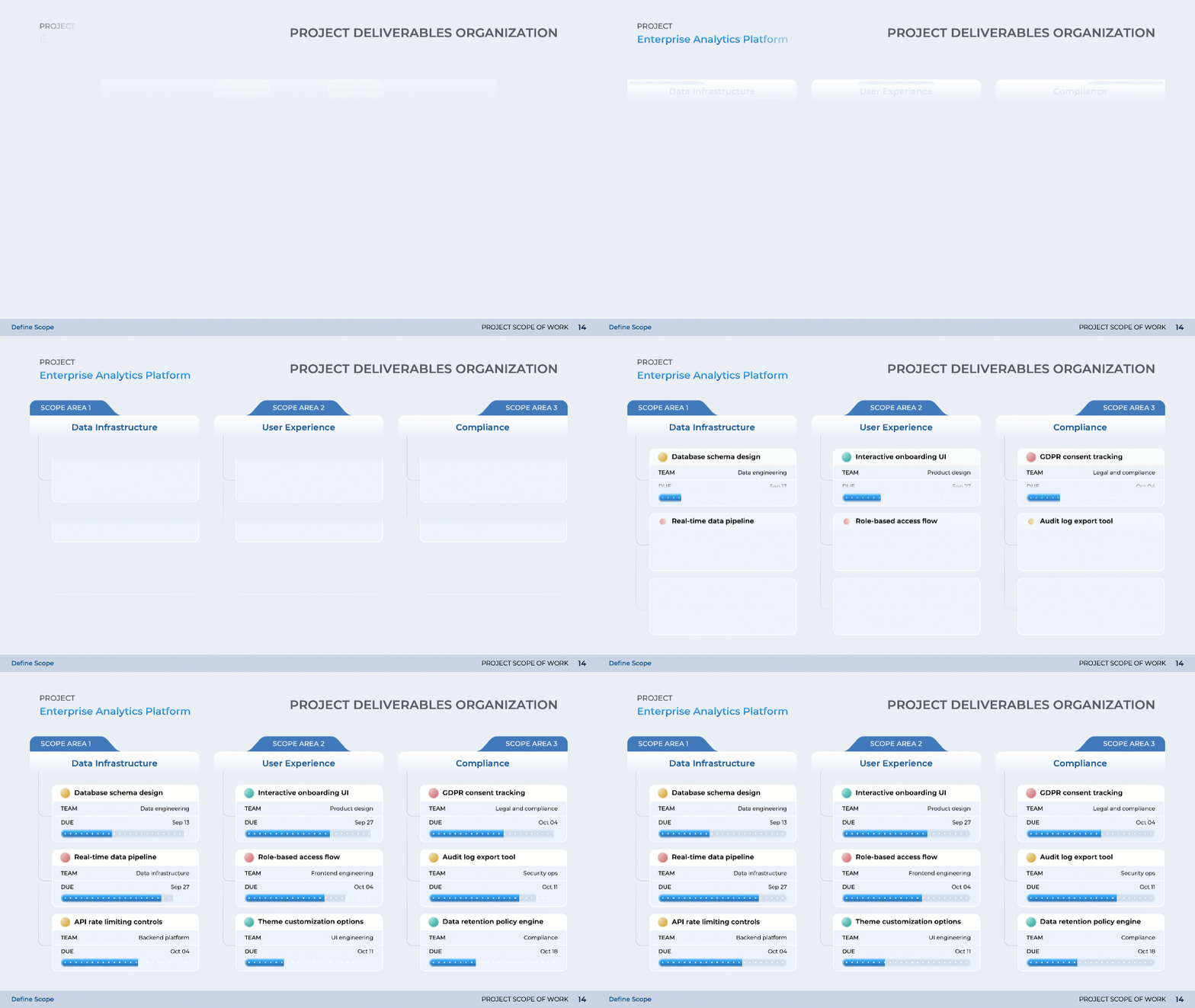
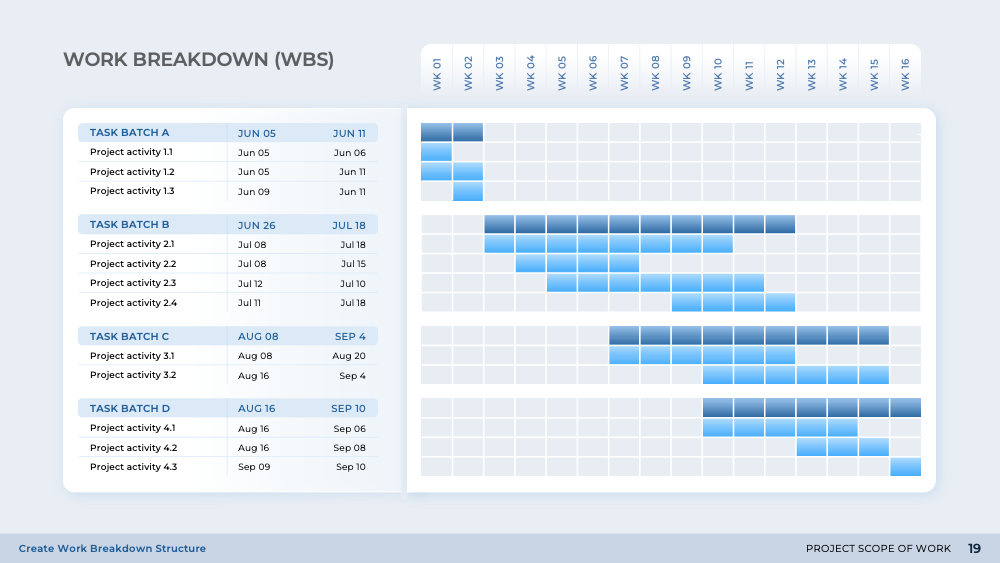
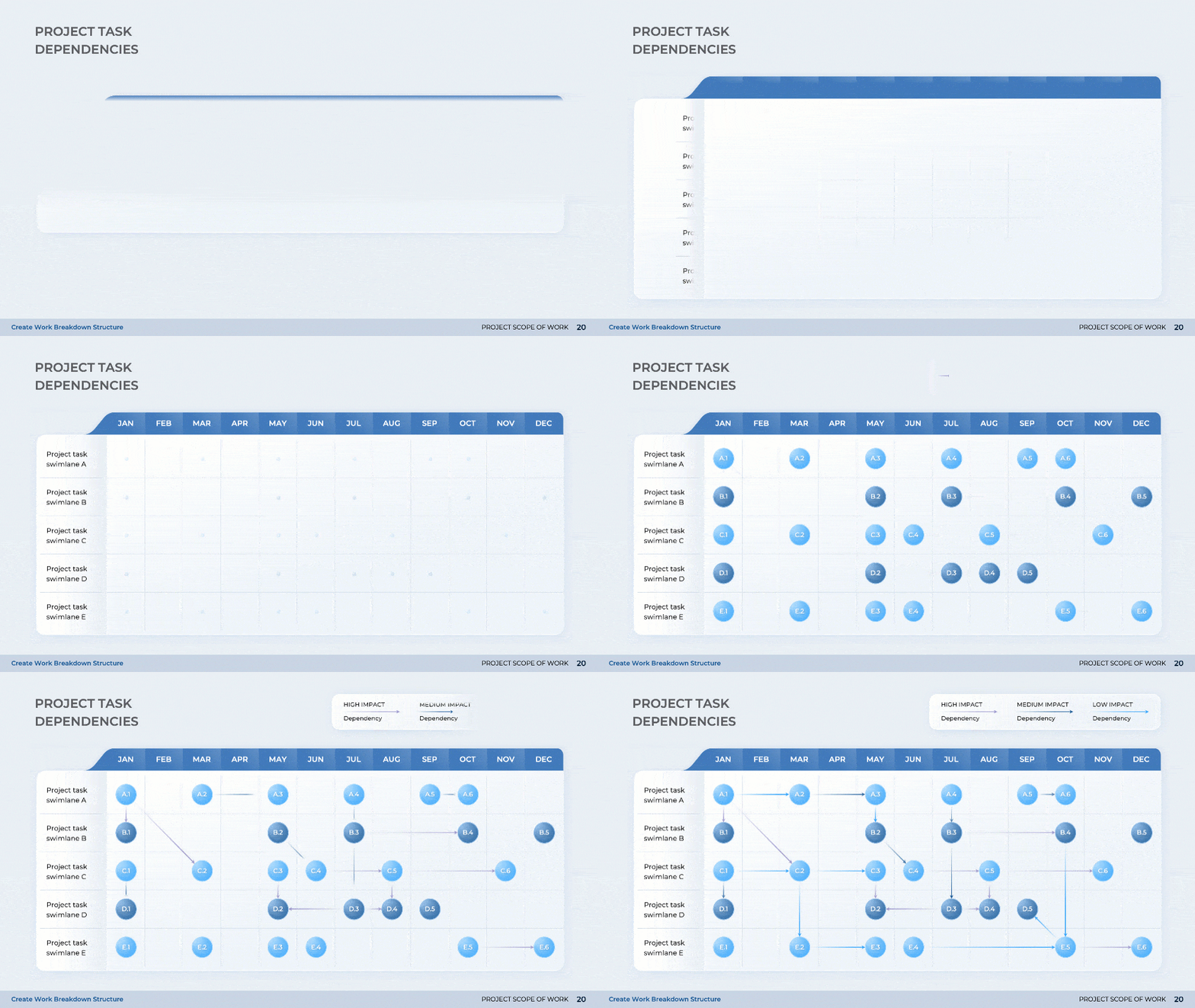
4. Work breakdown structure breaks down the scope into smaller, manageable tasks. This helps in better resource allocation and prevents overburdening, which can lead to scope creep.
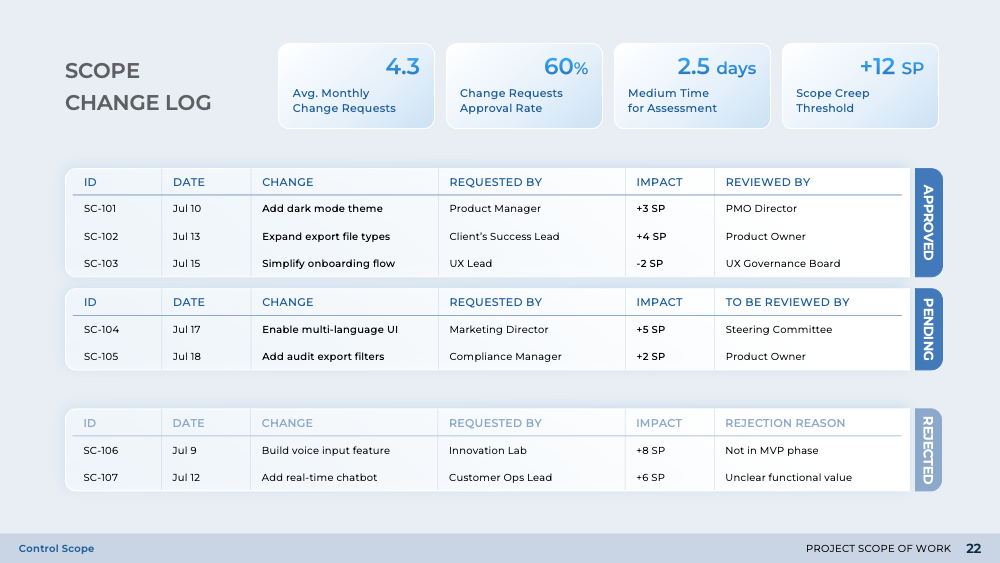
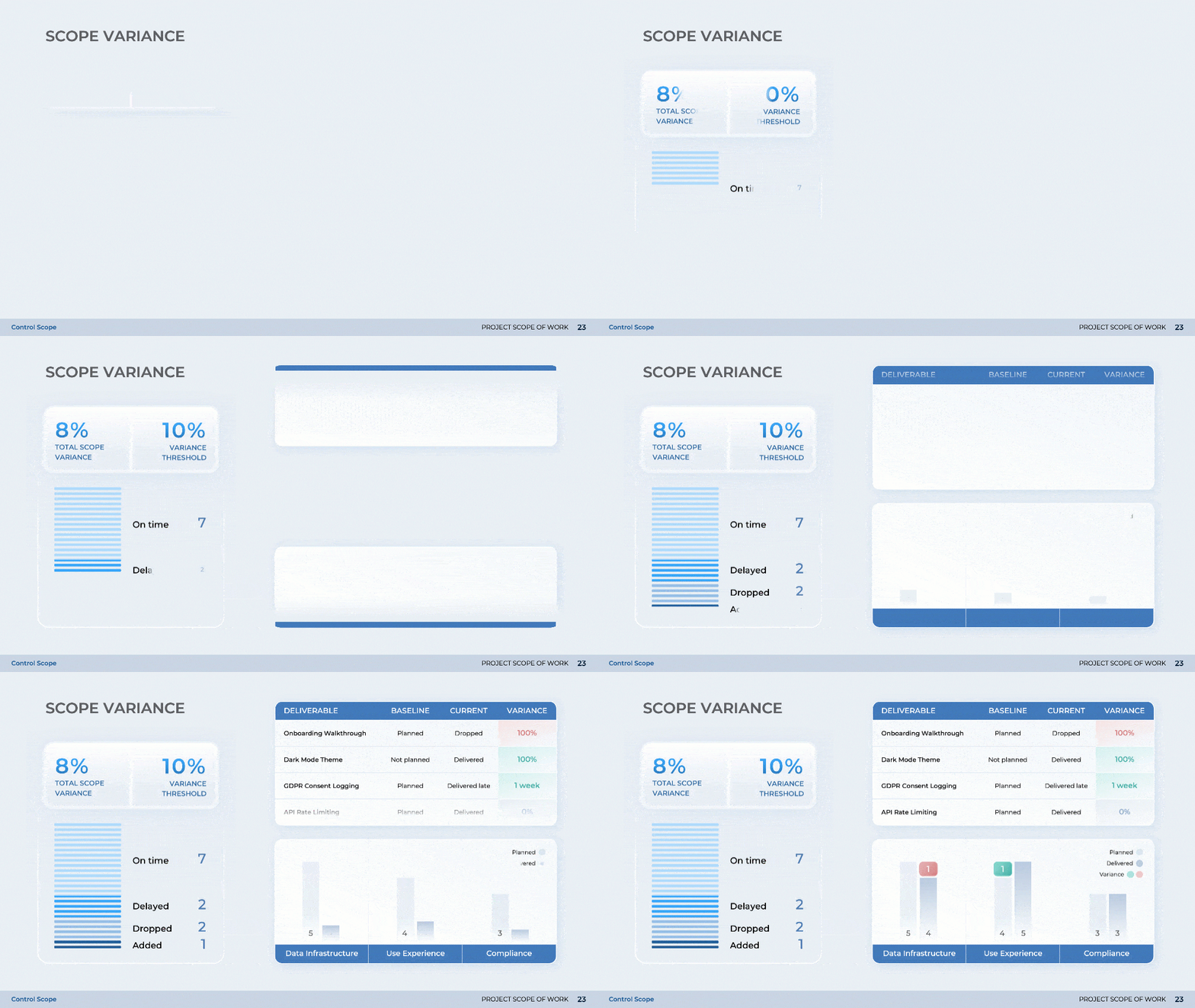
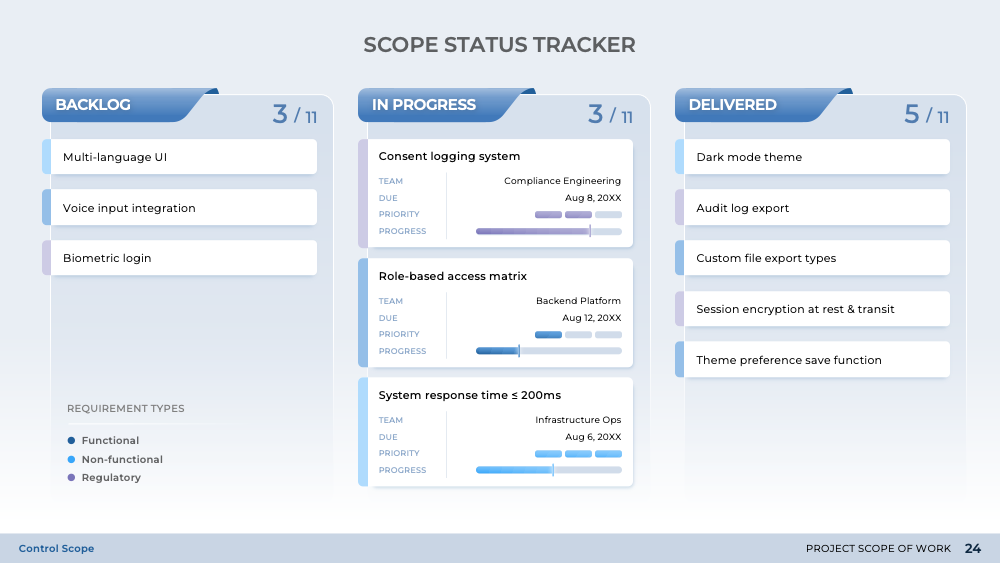
5. Finally, scope control involves monitoring the project's progress and making sure it's adhering to the defined scope. It helps in early detection of any deviations and allows for timely corrective actions.
This question was asked on:
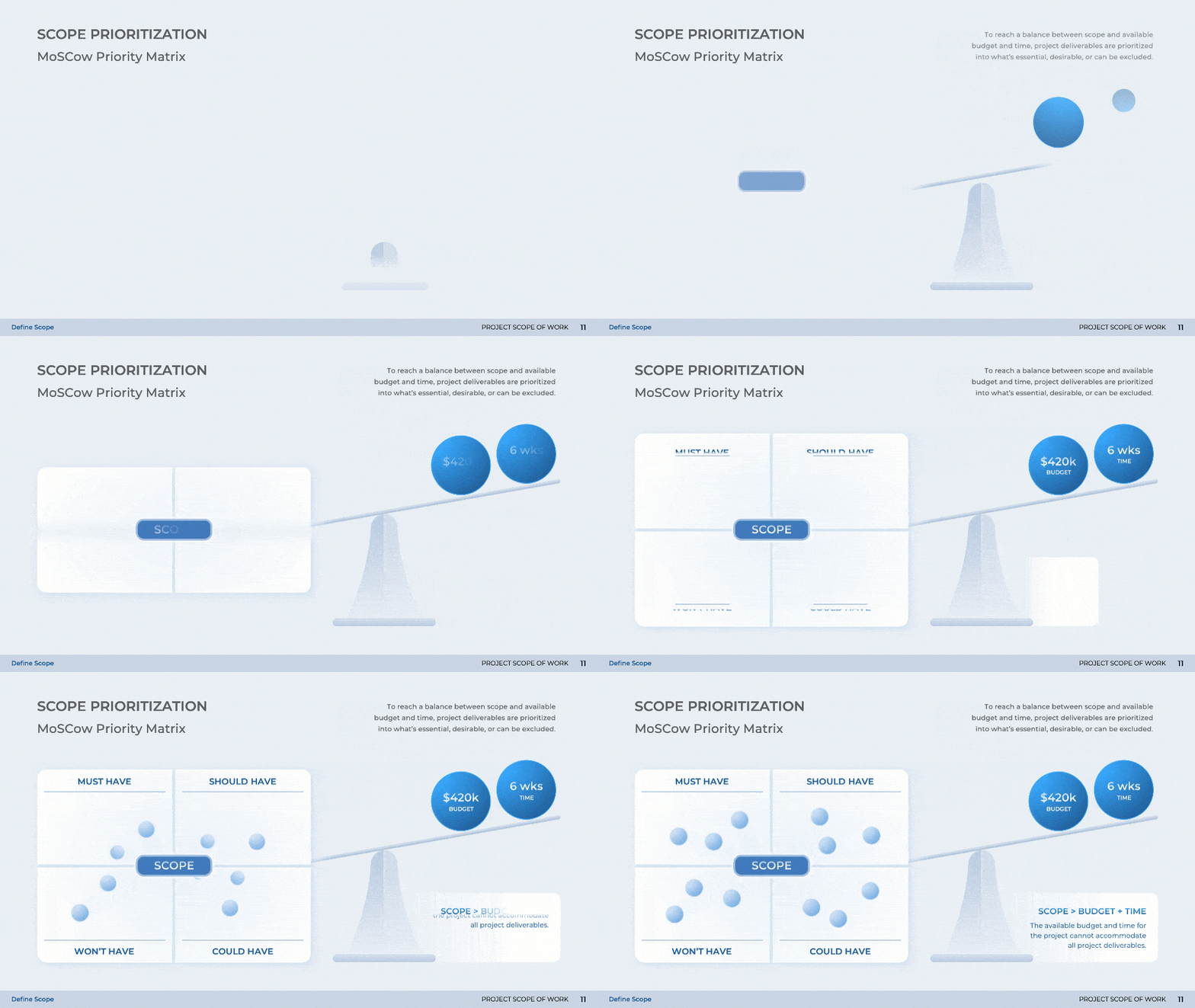
What causes projects with strong starts to unravel halfway through, despite skilled teams and ample resources? The absence of a clear, controlled project scope leaves room for misalignment, missed deliverables, and scope creep. Our guides the scope management process through its essential stages: from scope foundation, requirements collection, scope definition, work breakdown structure, to scope control. A clearly thought-out SOW anchors expectations, prevents resource dilution, accelerates delivery focus, and creates a measurable baseline to safeguard against unchecked expansion.
Asked on

Preview (23 Slides)






Join for free.
Get new presentations each week.
Receive new free presentations every Monday to your inbox.
Full content, complete versions — No credit card required.
Trusted by top partners